
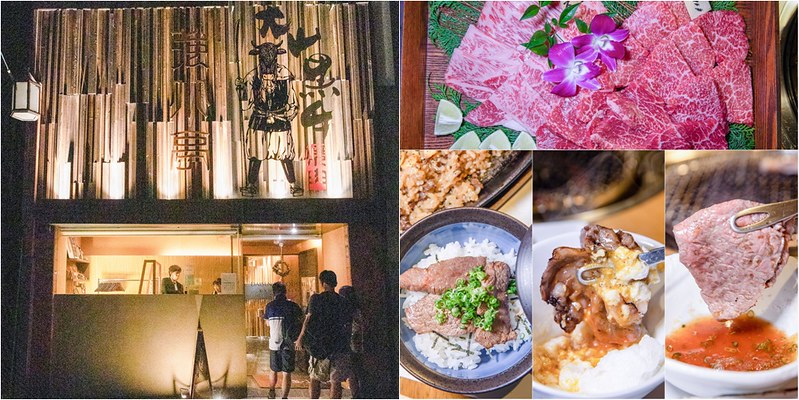
Daisen Kuroushi-dokoro Kyoshotei has been recommended by Michelin and has ranked highly among Tottori yakiniku restaurants on Tabelog. It is a strong choice for tasting Daisen black beef.
Daisen Kuroushi Beef Restaurant Kyoshotei (
Official Website
): 1-60-11 Kakubancho, Yonago City, Tottori Prefecture; Telephone: +81 859-30-2989; Hours: 5:00 p.m.–11:00 p.m. (last order 10:00 p.m.; closed Sundays)
Tottori has Michelin restaurants? That was probably my first reaction when I told my friends there were Michelin restaurants in Tottori.... Yes, Tottori not only has Michelin-recognized restaurants, but also two two-star restaurants and four one-star restaurants.
Following my previous articles about “
Jun
,” which I guessed might be Japan's least expensive one-star Japanese restaurant at 8,000 yen for dinner; “
Hot Air
,” the only Michelin-recognized ramen shop in the San'in and San'yo regions; and Michelin-recommended “
Ajidokoro Shin
,” I am sharing a fourth restaurant. It is also a Michelin-recognized yakiniku restaurant I have tried in Japan. Its specialty is Daisen Kuroushi beef, which has a thousand-year history, and it is the highest-rated yakiniku restaurant in all of Tottori on Tabelog. After visiting Kitaro in Sakaiminato, Tottori, you can come over and try it nearby.
Daisen Kuroushi Beef Restaurant Kyoshotei is some distance from Yonago Station. If you do not feel like walking, you can take the train to Fujimicho and walk from there, although I think walking directly may actually be faster... assuming you are already at Yonago Station, of course.
Embarrassingly, although I thought I knew Tottori well, I had never even heard of Daisen Kuroushi beef. That is despite my lavish praise for Daisen chicken and the fact that Daisen milk is my third favorite milk in Japan. If you have researched Tottori or Japanese wagyu, you must have heard that Tottori was the first place in Japan to raise wagyu. One example is Ketaka-go, said to be the forefather of Japanese wagyu and to have sired 9,000 calves.... Daisen Kuroushi beef, meanwhile, has a history of more than a thousand years.
Daisen Kuroushi Beef Restaurant Kyoshotei was one of eleven recommended restaurants in the 2019 Michelin Guide Kyoto Osaka + Tottori, and the only yakiniku restaurant among them.
Tottori Michelin List:
Two Michelin Stars
🔸Kaniyoshi http://www.kaniyoshi.com/
The world's first restaurant specializing in crab to receive two Michelin stars.
🔸Mitsuki https://www.facebook.com/pages/%E3%81%BF%E3%81%A4%E3%81%8D/1419382514947642
The owner focuses on Kyoto cuisine and accepts only one group each day, because he does not want diners to be affected by other guests. They can enjoy their meal at ease.
One Michelin Star
Jun (visited)
The dishes make use of the ingredients' inherent flavors while also letting diners savor the tastes of the season.
Related Dining Review:
[Tottori Michelin Series 2] Jun: Japanese Cuisine Made with Tottori Ingredients, Exquisite Tottori Hairy Crab, Mosa Shrimp, and White Squid. Japan's Cheapest One-Star Japanese Restaurant?
🔸Akiyama https://tabelog.com/tottori/A3102/A310201/31004297/
Authentic kaiseki cuisine that emphasizes not only beauty in flavor, but visual beauty as well.
🔸Shusai Kikyouya http://www.kikyouya-yonago.com/
Set meals prepared with local ingredients from the mountains and sea. The owner is a sake expert, especially in warmed sake, and can recommend a Japanese sake suited to the meal.
🔸Hakushu Suzunoki http://www.suzunoki.tottori.jp/
The owner's commitment is to traditional Japanese cuisine rather than creative cuisine.
Bib Gourmand
🥢Shukushoku Totoro https://tabelog.com/tottori/A3101/A310101/31004114/
🥢Soba Kawaguchi https://soba-kawaguchi.gorp.jp/
🥢Tanrei Tori Ramen Hot Air https://www.facebook.com/hotairgo1/
[Japan—Tottori Michelin] Hot Air: Travel to a 500-Year-Old Hot Spring Village in Rural Tottori for Michelin-Recognized Ramen Made with Local Ingredients and Enjoy Three Free Footbaths
🍴Fee des Neiges https://www.feedesneiges.jp/
🥢Rengatei http://sp.raqmo.com/rengatei/
🥢Mitakien https://ashidumitakien.jp/
🥢Ajidokoro Shin https://www.ajidokoro-shin.com/ (visited)
[Japan—Tottori Michelin Series 3] Michelin-Recommended Ajidokoro Shin in Kurayoshi: An Izakaya Serving Bounty from the Sea of Japan, Gifts from the Mountains, and Tottori Local Cuisine
🥢Sakedokoro Juan https://tabelog.com/tottori/A3103/A310301/31000703/
🥢Sobadokoro Kamidai https://tabelog.com/tottori/A3103/A310301/31000246/
🥢Mingei Kappo Onajimiya http://www.onajimiya.jp/
The dining room has square and round tables for two to six people, while the second floor also has private rooms with a minimum charge. There are 26 seats on the first floor and 42 on the second.
The menu was a rather large book. I took one photo to give everyone an idea of the prices, and we eventually decided on the day's set menu.
Seared Beef Sashimi
Nigiri
Grilled Shabu-Shabu
Grilled
Sukiyaki
Palate Cleanser
Seasonal Red Salad
Today's Assortment of Three Rare Cuts
Special Gar-
lic Rice
Oxtail Soup
House-Made Dessert
Coffee
7,480 yen (tax included
Link to More Menus
Honestly, this is not inexpensive for yakiniku in Tottori. You can usually eat to your heart's content for 3,000 or 4,000 yen, but this is a Michelin-recognized restaurant, after all.
This is the pork and chicken set chosen for our companion who does not eat beef. It has six different cuts, all produced in Daisen and reportedly supplied by the restaurant's own ranch.
Here are the table and condiments. There are two salts, white Tottori salt and pink rock salt, as well as two kinds of soy sauce. One contains lemon juice, and the soy sauce is reportedly from Tottori too.
The à la carte wagyu beef tongue was not especially thick, but both its crisp bite and the sweetness that emerged while chewing were satisfying. It was delicious.
The seared beef sashimi nigiri, made with a seared slice of raw beef, was enormous. Although thin, it retained the textures of the previous two dishes. It was only lightly seared and drizzled with a little light soy sauce, with a small mound of vinegared rice underneath. Overall, it filled the mouth satisfyingly: the beef was tender and melting, with ample sweetness but without being too greasy. Refreshing and delicious.
The grilled sukiyaki beef was rather lean. Although it did not look very fatty, its sweetness was tremendously satisfying. Dipped in a little ponzu sauce, it was outrageously delicious!
Seared Grilled Shabu-Shabu
Grilled. Many yakiniku restaurants in Japan serve thinly sliced beef dipped in raw egg, much like sukiyaki, but honestly I am not very fond of that style. Kyoshotei does something interesting and highly unusual: the raw egg white for dipping is whipped first.
By comparison, this thin slice of beef had more marbling. It burned quickly once placed on the grill, so I recommend cooking it for only two or three seconds on each side.
The beef was delicious, of course, but the whipped egg white was even more distinctive. It removed the raw odor of egg white while adding a light, fluffy, melting texture. Interesting and delicious.
The seasonal red salad reportedly used vegetables from Tottori, with a small portion of Kyoto vegetables. Both the freshness and crispness were satisfying. There were two dressings: lemon vinegar and a slightly sweet carrot-based sauce.
The palate cleanser was intended to reset the taste buds and served a little like a sorbet. It was made with pomegranate flower.
Special gar- (three special rare cuts that vary each day).
“Kurimi” refers to the upper portion running from the shoulder to the foreleg, also called the foreleg core. It was extremely tender, with a texture somewhat like Korean beef and plenty of sweetness.
“Uchimomo” is the meat on the inside of the rear thigh. Compared with the previous cut, it had more sweetness from the fat and melted even more readily in the mouth. I loved it!
The specially selected loin had such abundant marbling that it looked just like kalbi. Most of it melted as soon as it entered my mouth. Although it was cut somewhat thick, after finishing it I felt like ordering another portion à la carte. Ridiculously delicious!
Oxtail soup. The beef fried rice or seared steak rice bowl also came with a bowl of soup.
The soup closely resembled the beef-bone soup served with Sendai beef tongue set meals. The sweetness of the onions had been completely simmered into the broth. Simple but delicious.
I tried one bite of the beef fried rice. It was a little wet and a little salty, so I preferred the thick-cut steak rice bowl, although it would have been even better if the beef pieces were larger, xd. The white rice was also very good and used Tottori's Hoshizora Mai rice.
The house-made dessert was blueberry panna cotta, naturally made with Daisen milk. It was fresh, smooth, sweet, and refreshing, while the blueberry jam was mildly tart and richly sweet. So delicious.
Coffee. About 80 percent of coffee in Tottori is basically dark-roasted, giving it a mild bitterness and a hint of charcoal-roasted aroma.
More Tottori Michelin Restaurants:
Source: 小虎食夢網 | Original URL: https://www.foodtigertw.com/blog/posts/3050640560
Where would you stay for this story?
This is a stay-recommendation demo. Partner links will be enabled after confirmation.
Kaike Onsen and Tottori stays
Choose an onsen inn, city hotel or stay area that fits the article context.